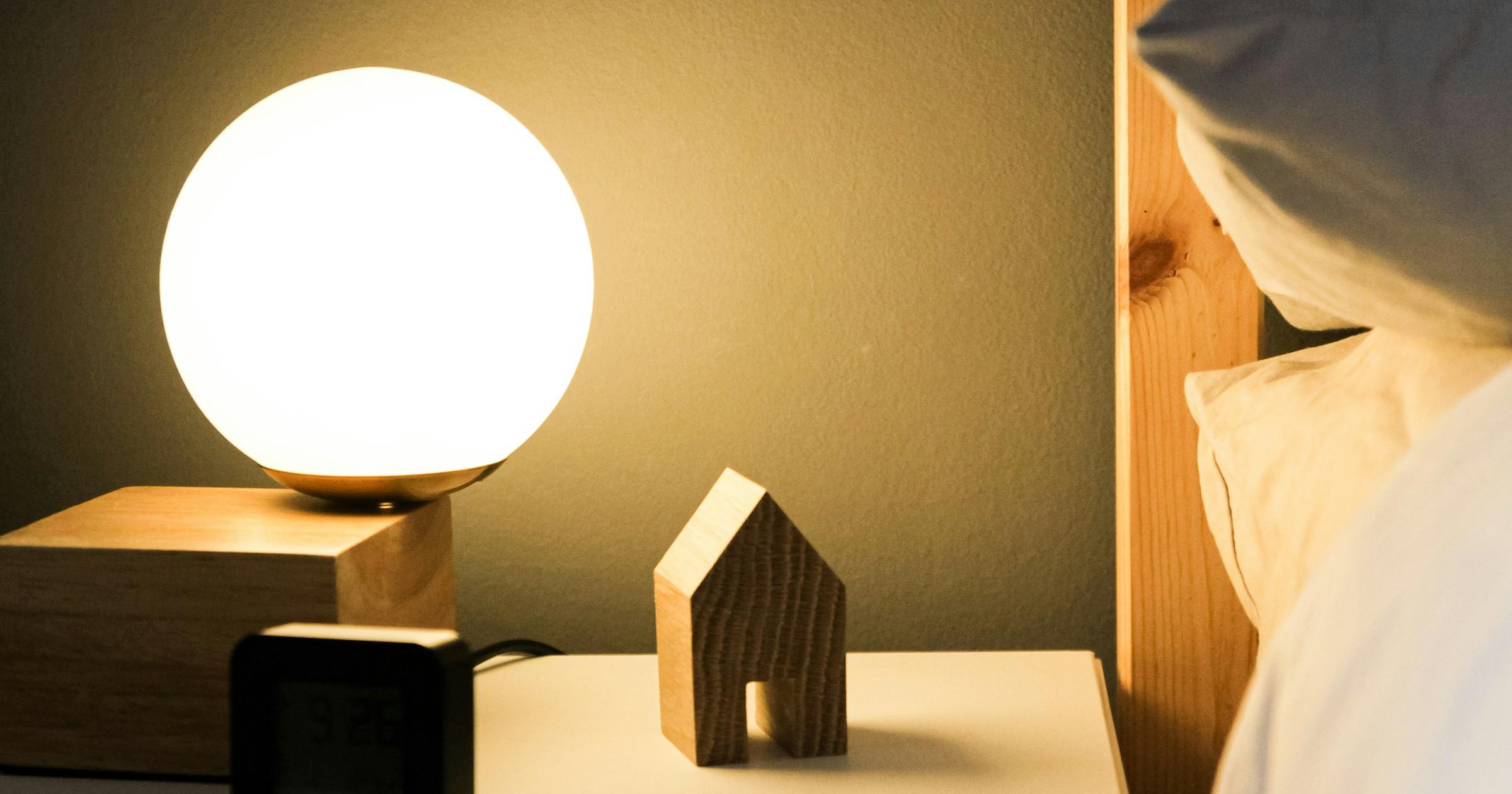
It's 3:12 a.m. You've checked the clock four times. Tomorrow you'll be foggy, short with people, and a little more anxious than usual. Then it happens again.
If that sounds familiar, here's something your doctor may not have mentioned: there's a talk therapy built for exactly this. It's called CBT-I, short for cognitive behavioural therapy for insomnia. It's the first treatment the American College of Physicians recommends for chronic insomnia, ahead of sleeping pills. And most people have never heard of it.
Shorter days are here, and for a lot of people, so are worse nights. Good time to know your options.
Why sleep is in the news right now
Two pieces of research landed in October.
A review in Sleep Medicine Reviews linked insomnia with depression, along with physical health problems like stroke and more hospital stays. The authors were clear that this shows a connection, not proof that bad sleep causes these problems. (Medical News Today)
Then a Cochrane review looked at medical cannabis for insomnia. Across 9 small trials, the evidence was too weak to say whether it helps sleep at all. (News-Medical)
So the question is getting louder: what actually helps? CBT-I has a long track record. It just has a terrible name.
What CBT-I actually is
CBT-I is a short, structured therapy that runs over several weeks. It doesn't try to knock you out. It retrains the habits and thoughts that keep your brain on high alert at night.
The American College of Physicians recommends it as the first-line treatment for adults with chronic insomnia. (ACP)
Here's what's usually in it.
Sleep restriction (it's less scary than it sounds)
You spend less time in bed lying awake. Your therapist helps you set a consistent window, then slowly widens it as your sleep improves. Early on, you may feel more tired. That's expected, and it's why you do this with a professional rather than alone. Your body relearns that bed is for sleeping.
Stimulus control
Bed becomes a place for sleep only. No scrolling, no work email, no lying there for an hour negotiating with your brain. If you can't sleep after a while, you get up and do something calm, then come back.
Working with racing thoughts
This is the "cognitive" part. A lot of insomnia is fuelled by thoughts like "If I don't sleep, tomorrow is ruined." CBT-I helps you notice those thoughts and loosen their grip, so the pressure to sleep stops keeping you awake.
Sleep habits, without the lecture
Yes, there's some education on caffeine, light, and routine. But it's tailored to your life, not a generic checklist you've already read ten times.
The mood connection
Sleep and mood feed each other. Bad nights make hard days feel harder. Hard days make it tougher to switch off at night.
One trial in Psychological Medicine tested a guided online CBT-I program with 104 adults who had insomnia and depressive symptoms. After 9 weeks, 64% of the CBT-I group saw a clinically meaningful drop in depressive symptoms, compared with 30% of people who only kept a sleep diary. Most of those gains held at 6 months. (van der Zweerde et al.)
That's one study, and the researchers noted their results were stronger than most. But it points to something real: working on sleep can be a way into working on mood.
Why so few people hear about it
A few reasons.
- It takes a trained person. Not every therapist offers CBT-I. Many have never been trained in it.
- Pills are faster to prescribe. A five-minute appointment can end with a prescription. It can't end with a sleep restriction plan.
- The name is clunky. Nobody types "cognitive behavioural therapy for insomnia" into a search bar at 3 a.m.
That's the real gap. The treatment exists. Finding someone who delivers it is the hard part. The good news: the ACP notes CBT-I can be delivered one on one, in groups, by phone, or online, so you have more ways in than you might think.
Want a therapist who knows sleep?
Tell Purple Lotus what your nights look like, in your own words, and we'll match you with therapists who fit.
Find your matchIs CBT-I right for you?
CBT-I is built for chronic insomnia: trouble falling or staying asleep, several nights a week, for months. It's worth asking about if:
- You've tried "sleep hygiene" tips and they haven't stuck
- You'd rather not rely on sleep medication long term
- Your sleep and your mood seem tangled together
- You lie awake worrying about not sleeping
It isn't a fix for everything. If you snore loudly, stop breathing at night, or your legs won't settle, talk to a doctor first. Those can be signs of other sleep conditions that need a medical check.
And if you're on sleep medication now, don't stop on your own. CBT-I can work alongside your doctor's plan.
How to find a therapist who offers CBT-I
Look for these things when you search:
- Ask directly. "Do you offer CBT-I?" is a fair first question. A trained therapist will know exactly what you mean.
- Check their training. Some therapists list CBT-I or behavioural sleep medicine training on their profile.
- Ask how many sessions they expect. CBT-I is a short-term treatment. If someone plans open-ended weekly sessions for sleep alone, ask why.
- Ask about sleep diaries. Tracking your sleep is a core part of CBT-I. If it isn't part of the plan, it may not be CBT-I.
- Make sure you click with them. The early weeks can be tough. You'll want someone you trust to push you, gently.
- Check your benefits. Many workplace plans in Canada cover psychotherapy or counselling. Ask whether yours covers sessions with a psychologist or registered therapist.
If you're new to therapy types, our plain-language guide to therapy modalities explains how CBT fits with the rest.
If sleepless nights ever come with thoughts of not wanting to be here, please reach out now. In Canada or the US, call or text 988, or contact your local emergency services.
FAQ
What is CBT-I?
CBT-I is cognitive behavioural therapy for insomnia. It's a short, structured talk therapy that changes the habits and thoughts that keep you awake. The American College of Physicians recommends it as the first treatment for chronic insomnia in adults.
How long does CBT-I take to work?
CBT-I is a short-term treatment that usually runs over several weeks. The early part can feel harder because you're changing your sleep schedule. In the trial mentioned above, the online program ran 9 weeks and most gains held at 6 months.
Can CBT-I help with anxiety or low mood?
It may. Sleep and mood are closely linked, and some studies have found that treating insomnia with CBT-I also reduced depressive symptoms. It isn't a replacement for treatment of anxiety or depression, so talk with your therapist about both.
Sleep better with the right support
You don't have to white-knuckle another winter of 3 a.m. wake-ups. CBT-I works best with a therapist who's trained in it and who you actually feel comfortable with.
Ready to sleep and feel more like yourself?
Tell Purple Lotus what's keeping you up, in your own words, and get matched with a therapist who fits.
Get matchedPhoto by Julia on Unsplash

Written by
Purple Lotus Team
Team