
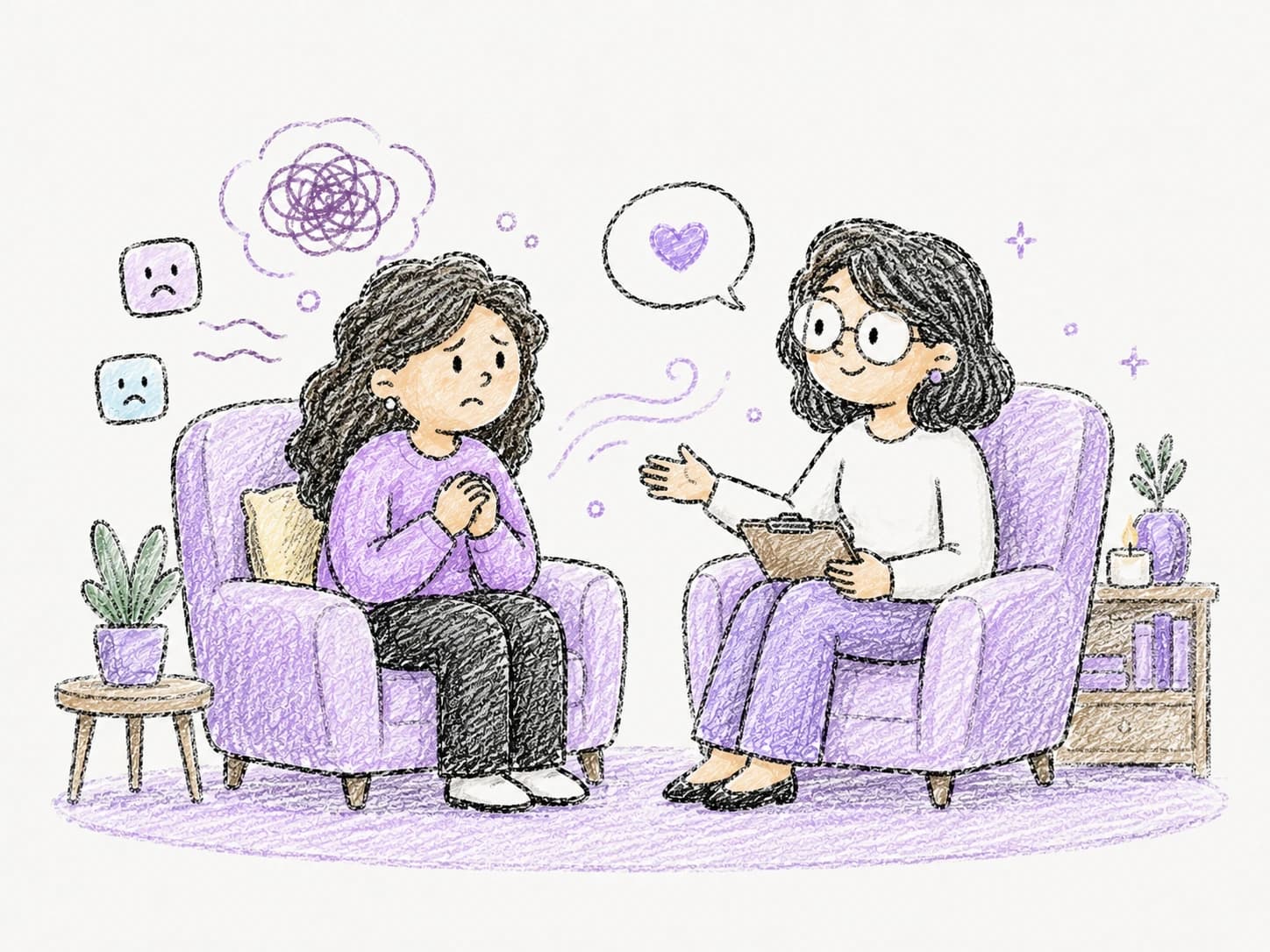
Burnout Therapists in Canada
Burnout is more than tiredness. It builds gradually through prolonged stress, often leaving people depleted, detached, and unsure how to recover. Therapy can help you understand what drove you here and build a more sustainable path forward.
What to look for in a Burnout therapist on Purple Lotus
- Experience with burnout, occupational stress, and helping-profession clients
- Familiarity with CBT, ACT, or mindfulness-based approaches for stress and recovery
- Comfort addressing both internal patterns and practical life changes
- Non-judgmental stance toward rest, limits, and stepping back
21 therapists for Burnout in Canada
Browse 21 therapists specializing in Burnout. Find the right counsellor or psychotherapist for your needs.

What is Burnout?
Burnout is a state of chronic exhaustion that develops when prolonged stress outpaces a person's ability to cope. Psychologist Herbert Freudenberger first described it in 1974, and researcher Christina Maslach later identified three defining features: emotional and physical exhaustion, cynicism or emotional detachment, and a sense of reduced effectiveness or accomplishment. The World Health Organization recognized burnout as an occupational phenomenon in its International Classification of Diseases in 2019. It is not a medical diagnosis, but it is a recognized pattern of distress that significantly affects daily functioning.
Burnout is often misread as laziness, weakness, or a need for a vacation. In reality, it tends to develop in people who are highly committed, conscientious, and care deeply about what they do. Over time, the combination of demanding work, insufficient recovery, blurred limits, and a strong internal drive toward achievement creates a cumulative depletion that rest alone rarely resolves.
Therapy for burnout addresses both the internal patterns that contributed to it, such as perfectionism, difficulty saying no, or tying self-worth to productivity, and the practical skills needed to recover and prevent recurrence. Common approaches include Cognitive Behavioral Therapy (CBT), Acceptance and Commitment Therapy (ACT), and mindfulness-based methods, though the right approach depends on the person and what drove their burnout.
Who this approach may help
People in high-demand roles
Healthcare workers, teachers, lawyers, social workers, and others in professions with heavy workloads, emotional demands, or limited control over outcomes often develop burnout over time.
Caregivers
People caring for a family member with illness, disability, or age-related needs can experience burnout and compassion fatigue, particularly when care responsibilities are ongoing and largely unsupported.
High achievers and perfectionists
People whose sense of worth is closely tied to performance, productivity, or recognition may push through exhaustion long past the point where others would step back, making burnout more likely and harder to detect.
People feeling detached from work they once cared about
A gradual shift from engagement to cynicism, disillusionment, or emotional numbness in a role that once felt meaningful is a common sign that burnout has progressed beyond early-stage fatigue.
People with physical symptoms alongside emotional exhaustion
Disrupted sleep, recurring illnesses, persistent headaches, or tension without a clear medical explanation can accompany burnout, particularly when stress has been sustained over a long period.
What happens in a session?
- 1
Assess contributing factors
The therapist asks about your work situation, responsibilities, lifestyle, and history to understand what has been driving your stress and where recovery has been lacking.
- 2
Identify internal patterns
Together, you explore beliefs and behaviors that may have contributed to burnout, such as difficulty delegating, saying yes when overwhelmed, or measuring worth through output.
- 3
Clarify values and meaning
Burnout often involves losing touch with what matters to you. Part of therapy involves reconnecting with what you actually value, separate from external expectations or obligation.
- 4
Build practical skills
The work includes developing concrete tools for recovery: protecting time for rest, communicating limits, reducing chronic overcommitment, and recognizing early warning signs.
- 5
Plan for sustainable change
Toward the end of treatment, the focus shifts to what ongoing habits and conditions support your wellbeing, and what to watch for so depletion does not accumulate again.
How it compares to other approaches
Clinical Depression
Burnout and depression share many symptoms, including exhaustion, withdrawal, and low motivation. Burnout is typically tied to a specific context, such as work, and may ease somewhat when removed from that context. Depression tends to affect all areas of life regardless of circumstance and often requires different or additional treatment.
Anxiety
Anxiety is characterized by excessive worry, fear, and anticipatory distress. Burnout involves a collapse of energy and motivation rather than heightened activation. The two often co-occur, but the underlying patterns and most effective interventions can differ.
Compassion Fatigue
Compassion fatigue is a form of burnout that specifically affects people in caregiving roles. It centers on the emotional cost of repeatedly absorbing others' pain or trauma. While similar in feel, treatment may focus more specifically on emotional processing and protecting against vicarious trauma.
Occupational Stress
Stress involves pressure with some expectation of relief. Burnout is what develops when that pressure has been sustained too long without adequate recovery. It is accompanied by a sense of hopelessness, detachment, and diminished effectiveness that typical stress does not produce.
Adjustment Disorder
Adjustment disorder is a response to a specific identifiable stressor and typically resolves once that stressor changes. Burnout builds over time across multiple stressors and does not necessarily resolve when a single trigger is removed.
How to choose a Burnout therapist
Questions to ask before booking:
- 1
Ask whether they have experience working specifically with burnout or occupational stress, not just anxiety or depression in general. Burnout has its own patterns and the therapist should be familiar with them.
- 2
Ask what therapy approaches they use for burnout and why. CBT, ACT, and mindfulness-based methods are commonly used. A therapist should be able to explain their approach clearly and why it might fit your situation.
- 3
Ask how they balance the internal work, such as unhelpful patterns and beliefs, with the practical and environmental factors that contribute to burnout. A good fit is someone who takes both seriously.
- 4
Ask how they approach rest and recovery in treatment. Many people with burnout have internalized messages that rest is unproductive. A therapist comfortable addressing this directly may be a better fit.
- 5
If your burnout is tied to a specific profession, ask whether they have experience working with people in similar roles. Burnout in healthcare looks different from burnout in law or education.
- 6
Ask what progress looks like and how they will know if the approach is working. Clear, honest answers to this question are a good sign.
When this may not be the right fit
Burnout overlaps significantly with clinical depression and anxiety. If you are experiencing symptoms that feel more pervasive than occupational stress, such as persistent hopelessness, loss of interest in all areas of life, or significant difficulty functioning day to day, a clinical assessment is an important first step. Therapy for burnout works best when any co-occurring conditions are also identified and addressed.
If you are in crisis or experiencing thoughts of self-harm, please reach out to a crisis line or mental health professional who can provide immediate support. Crisis Services Canada can be reached at 1-833-456-4566.
Burnout sometimes reflects systemic problems in a workplace, such as understaffing, lack of support, or an unsustainable culture, that individual therapy cannot solve. Therapy can help you respond to those conditions more effectively, but it is not a substitute for occupational health support, organizational changes, or career decisions that may also be necessary.
If you are expecting to feel significantly better within a few sessions, it helps to know that recovery from burnout usually takes time. Therapy addresses patterns that built up over months or years, and sustainable change tends to be gradual.
Related specialties
Frequently asked questions
What is burnout and how is it different from stress?
Stress typically involves pressure with some expectation of relief. Burnout develops after prolonged, unmanaged stress and includes three core features: physical and emotional exhaustion, cynicism or detachment, and a reduced sense of effectiveness. Unlike stress, burnout often involves a feeling of emptiness or hopelessness rather than tension.
Can therapy help with burnout?
Therapy can be a useful part of burnout recovery. It helps identify the patterns that contributed to burnout, build practical skills for recovery, and address beliefs that make it hard to slow down or ask for help. Research supports CBT, ACT, and mindfulness-based approaches for reducing burnout symptoms.
What type of therapy is most effective for burnout?
No single approach works for everyone. Cognitive Behavioral Therapy (CBT), Acceptance and Commitment Therapy (ACT), and mindfulness-based stress reduction (MBSR) have the most research support for burnout. The most effective therapy depends on what drove your burnout and how you prefer to work.
Is burnout the same as depression?
Burnout and depression share many symptoms, but they are not the same. Burnout is typically tied to a specific context, especially work, and may ease when removed from that environment. Depression affects all areas of life and persists regardless of circumstance. A therapist or physician can help clarify which is present, as both may require attention.
How long does it take to recover from burnout with therapy?
Recovery timelines vary. Therapy for burnout commonly runs for several months, though meaningful change in specific patterns can begin earlier. Recovery also depends on factors outside therapy, including workload, rest, and whether structural stressors can be reduced. Most people need time and consistency rather than a short intervention.
Can I do burnout therapy online?
Yes. Most therapists who work with burnout offer online sessions, and research suggests that virtual therapy is comparably effective to in-person for stress-related concerns. Online therapy can also reduce one more logistical demand for people who are already stretched thin.
Looking for a Burnout therapist?
Browse therapists in Canada who specialize in burnout. Filter by location, fee, and session format to find the right fit.