
Divorce Therapists in Canada
Support for navigating the emotional, relational, and practical challenges of separation and divorce.
What to look for in a Divorce therapist on Purple Lotus
- Experience supporting clients through separation and divorce
- Familiarity with grief, attachment, and co-parenting dynamics
- Comfort working alongside legal or mediation processes
- Non-judgmental approach to the circumstances of the separation
1 therapist for Divorce in Canada
Browse 1 therapist specializing in Divorce. Find the right counsellor or psychotherapist for your needs.

What is Divorce?
Divorce and separation are among the most disruptive life events a person can experience. Even when a relationship ending is the right decision, the process often brings waves of grief, anger, confusion, and uncertainty about what comes next. Divorce therapy offers a place to process those emotions at your own pace, work through the specific challenges you are facing, and figure out what kind of life you want to build going forward.
People seek support at different points: before making a decision, during the legal and practical process, or well after the paperwork is done. Some are dealing with a high-conflict separation, others with an unexpected breakup, and others with the longer-term adjustment of life after divorce. The work looks different depending on where you are and what you most need.
Therapists who specialize in divorce draw on a range of approaches including grief-informed therapy, cognitive behavioral therapy (CBT), and attachment-focused work. The goal is not to tell you how to feel or what to do, but to help you process what is happening and make decisions that are grounded and workable for your situation.
Who this approach may help
People going through separation or divorce
Anyone navigating the emotional weight of a marriage or long-term relationship ending, whether the decision was mutual, sudden, or long in coming.
Co-parents managing a difficult transition
People who need to maintain an ongoing relationship with a former partner for the sake of shared children and are finding that hard to manage emotionally.
People dealing with high-conflict separation
Those in separations involving sustained conflict, legal disputes, or ongoing tension with a former partner, where the emotional toll is significant.
People rebuilding after divorce
Those who are past the initial separation but struggling with loneliness, identity questions, returning to dating, or finding a new sense of direction.
Parents concerned about their children
People managing not only their own grief but also how the separation is affecting their children and what they can do to support them through the transition.
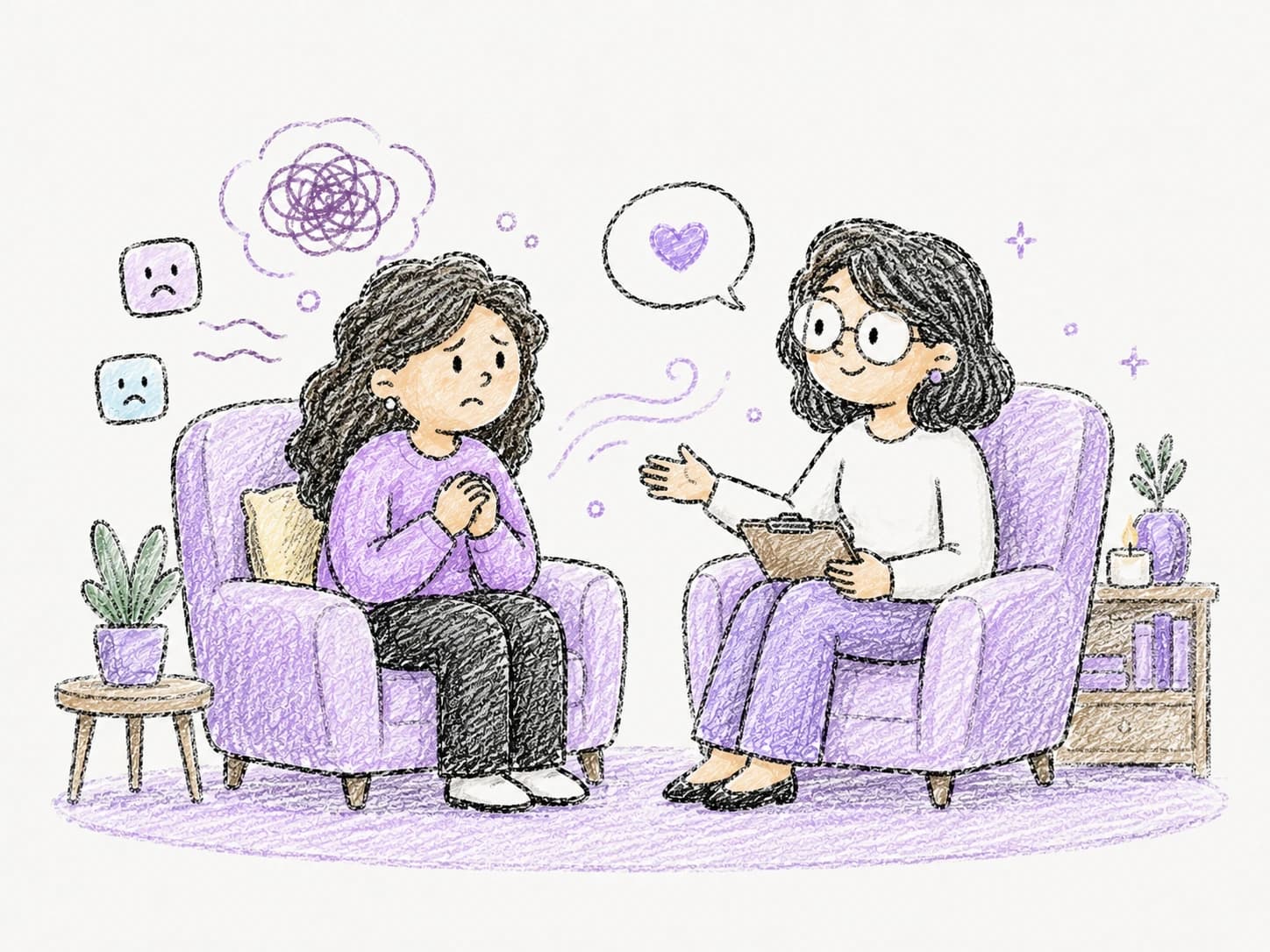
What happens in a session?
- 1
Understand where you are in the process
The therapist asks about your situation, what has happened, and what you are finding most difficult right now. This helps shape what the work will focus on.
- 2
Identify what you most need support with
You and the therapist clarify whether the priority is processing emotions, making practical decisions, managing co-parenting, or rebuilding your sense of self.
- 3
Work through grief, anger, and adjustment
Sessions often involve exploring the losses that come with divorce, including the loss of shared plans, family structures, and identity tied to the relationship.
- 4
Develop practical coping and communication tools
Where relevant, the therapist may help you develop strategies for communicating with a former partner, setting limits, or managing difficult interactions.
- 5
Build a clearer picture of what is next
As the work progresses, sessions often shift toward helping you clarify your values, rebuild confidence, and think about what you want your life to look like going forward.
How it compares to other approaches
Couples Therapy
Couples therapy works with both partners to improve or repair a relationship. Divorce therapy is individual support for someone going through a separation. Some therapists offer collaborative divorce counseling for both parties to separate with less conflict, but this is distinct from individual therapy during divorce.
Grief Therapy
Divorce involves significant grief, and some therapists approach it through a grief-informed lens. However, divorce also involves practical decision-making, co-parenting, legal stress, and identity questions that go beyond grief processing alone. Many divorce therapists draw on grief frameworks as one tool among several.
Family Therapy
Family therapy involves multiple family members, often including children, and focuses on how the family system is functioning. Individual divorce therapy focuses on one person. Some families benefit from both at different points in the process.
Mediation
Mediation is a legal and practical process for resolving disputes about property, custody, and finances. It is not therapy. Therapy focuses on emotional wellbeing and adjustment. Many people find both useful during a separation.
Trauma Therapy
If a separation involves abuse, betrayal, or deeply distressing events, a trauma-focused approach may be appropriate. Not all divorce requires trauma-specific therapy, but therapists experienced in divorce will recognize when that kind of work is relevant.
How to choose a Divorce therapist
Questions to ask before booking:
- 1
Ask whether they have specific experience supporting people through separation and divorce, not just general relationship difficulties.
- 2
Ask how they approach the grief and loss involved in divorce, since this is often central to the work even when it does not feel like grief at first.
- 3
If co-parenting is a significant concern, ask whether they have experience helping clients navigate ongoing relationships with former partners and communicate around children.
- 4
Ask what they see as the goals of therapy during divorce, to make sure their approach matches what you are looking for. Some people want emotional processing; others want practical tools or help making decisions.
- 5
If you are in a high-conflict separation, ask whether they have experience supporting clients in those situations, which have specific dynamics that require a different kind of support.
- 6
Ask whether they are comfortable working alongside a lawyer or mediator if your situation involves ongoing legal proceedings.
When this may not be the right fit
If your primary need is legal advice about property, custody, or finances, a therapist cannot provide that. A lawyer or mediator is the right first point of contact for those questions, though therapy can complement that process.
If you are experiencing safety concerns related to a former partner, including threats or coercive control, crisis resources and safety planning should come first. A therapist can be part of a broader support network but is not a substitute for immediate safety measures.
If both you and your former partner want to explore whether the relationship can be repaired, couples therapy focused on the relationship may be a better starting point. A good therapist will help you clarify what kind of support fits your actual situation.
Children going through a family separation often benefit from their own support, separate from a parent's individual therapy. A therapist who works with children and families may be a useful addition if your children are struggling.
Related specialties
Frequently asked questions
What is divorce therapy?
Divorce therapy is individual support for someone going through or recovering from a separation or divorce. It helps people process grief, anger, and uncertainty, manage co-parenting challenges, and rebuild their sense of self and direction. It draws on approaches like CBT, grief-informed therapy, and attachment-focused work depending on what the person needs.
When should I start therapy during a divorce?
You can start at any point. Some people begin when they are deciding whether to separate. Others start during the active process, when stress is highest. Many find therapy most useful once the legal process is over and the longer-term adjustment begins. There is no wrong time to seek support.
How long does therapy for divorce usually take?
It depends on where you are in the process and what you need. Some people benefit from a focused course of eight to twelve sessions. Others find ongoing support useful through a longer transition. A therapist can help you set realistic expectations based on your situation.
Can therapy help with co-parenting after divorce?
Yes. Many people seek therapy specifically to manage the emotional challenges of an ongoing co-parenting relationship with a former partner. Therapy can help with communication, limiting conflict, and separating parenting decisions from personal grievances.
Is divorce therapy the same as couples therapy?
No. Couples therapy is aimed at improving or repairing a relationship, usually with both partners present. Divorce therapy is individual support for someone going through a separation. Some therapists also offer collaborative divorce counseling for couples who want to separate with less conflict, but this is different from individual therapy.
Can I do divorce therapy online?
Yes. Online therapy works well for divorce support since the work is conversation-based. Many people find it easier to access during the logistical challenges of a separation. Check each therapist profile for online availability.
Looking for a Divorce therapist?
Browse therapists in Canada who specialize in divorce. Filter by location, fee, and session format to find the right fit.