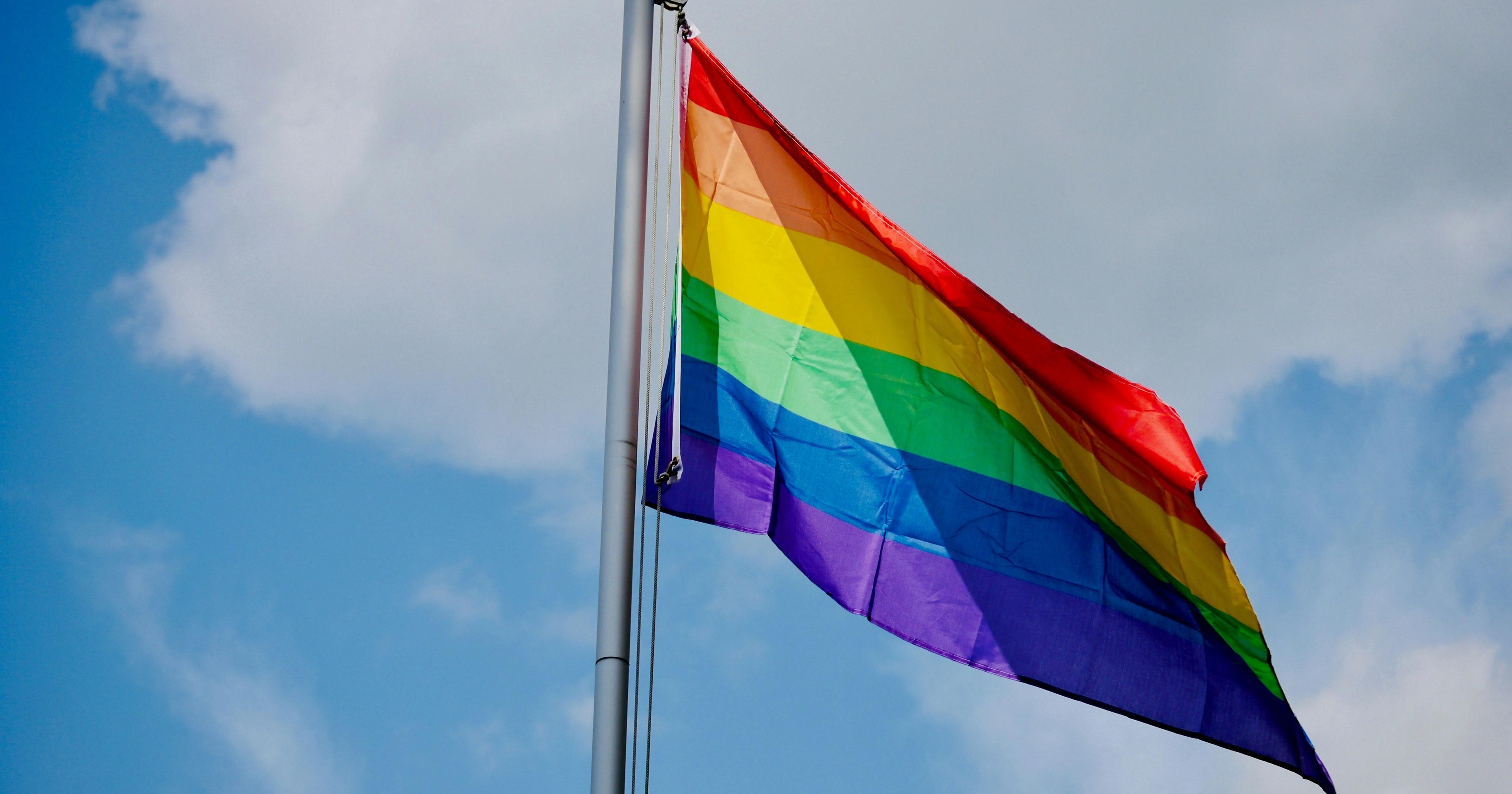
June is Pride Month, a time that holds a lot of different meanings for a lot of different people. For many in the LGBTQ+ community, it is a celebration of identity, survival, and community. For others, it can also bring up real conversations about mental health, access to care, and what it actually feels like to navigate a world that is not always built with you in mind.
This Pride Month, we want to go beyond the rainbow flags and look at what the research actually says about LGBTQ+ mental health, what barriers still exist in the therapy room, and where things are genuinely getting better.
The Weight of Minority Stress
To understand LGBTQ+ mental health, you have to understand minority stress. Psychologist Ilan Meyer's foundational research describes it as the chronic, cumulative burden that comes from living in environments where your identity is stigmatized or misunderstood. It is not just about individual bad days or difficult interactions. It builds up over time.
And it is not just psychological. Chronic minority stress can disrupt the body's HPA axis, the system that regulates cortisol and your stress response. Over time, this raises the risk of diabetes, heart disease, and immune dysfunction. Research has also found that significant social stress can trigger epigenetic changes, meaning it can alter how genes are expressed, sometimes across generations.
This is not a mental health issue that can be solved by telling people to be more resilient. Resilience in the LGBTQ+ community is deeply tied to group resources: shared cultural identity, safe community spaces, and the sense of being genuinely seen and accepted. Pride Month, at its core, is one of those resources.
What Is Still Broken in the Therapy Room
LGBTQ+ people use mental health services at high rates, but that does not always mean those services are safe or effective. Research on therapeutic microaggressions has identified four specific patterns that consistently damage the relationship between transgender and nonbinary (TNB) clients and their therapists:
- Educational burdening: expecting the client to teach the therapist about TNB identities rather than coming prepared
- Inflation: over-focusing on gender identity when the client has other concerns that are more pressing
- Invalidation: denying the authenticity of someone's identity or using their deadname
- Lack of affirmation: failing to celebrate milestones or validate a client's experience
Bisexual clients face a particularly overlooked set of challenges. Despite being one of the largest groups under the LGBTQ+ umbrella, bisexual individuals report high rates of unsatisfactory therapy experiences, often because of clinician misconceptions about bisexuality. Studies show that heterosexual therapists report lower confidence and competence when working with bisexual clients compared to therapists who identify as sexual minorities themselves.
When a therapy session causes harm instead of healing, the consequences extend beyond that single appointment. It can take years for someone to trust the process again.
AI as a Mental Health Tool: Helpful, but Not Without Risk
When traditional mental health care feels inaccessible, unaffordable, or unsafe, many LGBTQ+ people are turning to AI chatbots for support. The appeal is real: immediate access, anonymity, and a space to practice sensitive conversations like coming out to an unsupportive family member without fear of judgment.
But general-purpose AI tools carry genuine risks. They can produce inaccurate responses and often lack the nuanced empathy that complex emotional experiences require. Researchers are now working on frameworks for what they are calling Affirmative AI, built around three core principles: Affirmative Attitude, Accurate Knowledge, and Appropriate Action. The aim is to make sure these tools do not just respond, but respond in ways that are validating and actually safe.
AI is not a replacement for a good therapist. But as a bridge, especially for people who have been let down by the system or are not yet ready to seek formal help, it has real potential if it is built thoughtfully.
What Pride Month Means for Mental Health
Pride Month is not just a cultural moment. For a lot of LGBTQ+ people, it is one of the few times in the year when their identity is reflected back to them positively, publicly, and loudly. That visibility matters for mental health. Community affirmation is one of the most consistent protective factors in the research on LGBTQ+ wellbeing.
But Pride Month can also be a complicated time. For people who are not out, who are estranged from family, or who live in less accepting environments, June can highlight the gap between the celebration and their daily reality. Good mental health support needs to hold both of those truths at once.
Whether you are celebrating this month, surviving it, or somewhere in between, you deserve care that actually sees you.
Find a Queer Affirming Therapist
You deserve a therapist who gets it. Browse our directory of LGBTQ+ affirming therapists and find someone who is the right fit for you.
Find a TherapistSources
- Long, Y., Ma, Z., Mei, Y., & Su, Z. (2024). AffirmativeAI: Towards LGBTQ+ Friendly Audit Frameworks for Large Language Models. CHI '24. Association for Computing Machinery.
- Long, Y., Ma, Z., Mei, Y., & Su, Z. (2024). AffirmativeAI: Towards LGBTQ+ friendly audit frameworks for large language models. arXiv preprint arXiv:2405.04652.
- Harrell, B. J. (2022). Conversion Therapy Bans, Suicidality, and Mental Health. Department of Economics, Vanderbilt University.
- Development and Validation of the Gender Identity and Expression Microaggressions in Therapy Scale (GIEMTS). [Author unknown].
- MHS Health Wisconsin. (n.d.). LGBTQIA+ Inclusive Care Guide: For the provider partners of MHS Health Wisconsin.
- Mental Health Outcomes in Transgender and Nonbinary Youths Receiving Gender-Affirming Care. [Author unknown].
- Meyer, I. H. (2003). Prejudice, social stress, and mental health in lesbian, gay, and bisexual populations: Conceptual issues and research evidence. Psychological Bulletin, 129(5), 674-697.
- Monceaux, C. P., Wilcox, M. M., & Abbott, D. M. (2021). The role of moral reasoning and attitudes regarding bisexuality in the development of bisexual counseling competence. Psychology of Sexual Orientation and Gender Diversity, 8(4), 472-486.
- Trauma & Recovery Research Unit at McMaster University. (2024). Understanding minority stress, resilience, and inclusion. CanEMERG.
- Pullen Sansfacon, A., Planchat, T., Gelly, M. A., Baril, A., Susset, F., & Millette, M. (2025). Understanding the experiences of youth who have discontinued a gender transition: Provider perspectives. Psychology of Sexual Orientation and Gender Diversity, 12(1), 154-164.

Written by
Purple Lotus Team
Team