
Trauma Therapy Therapists in Canada
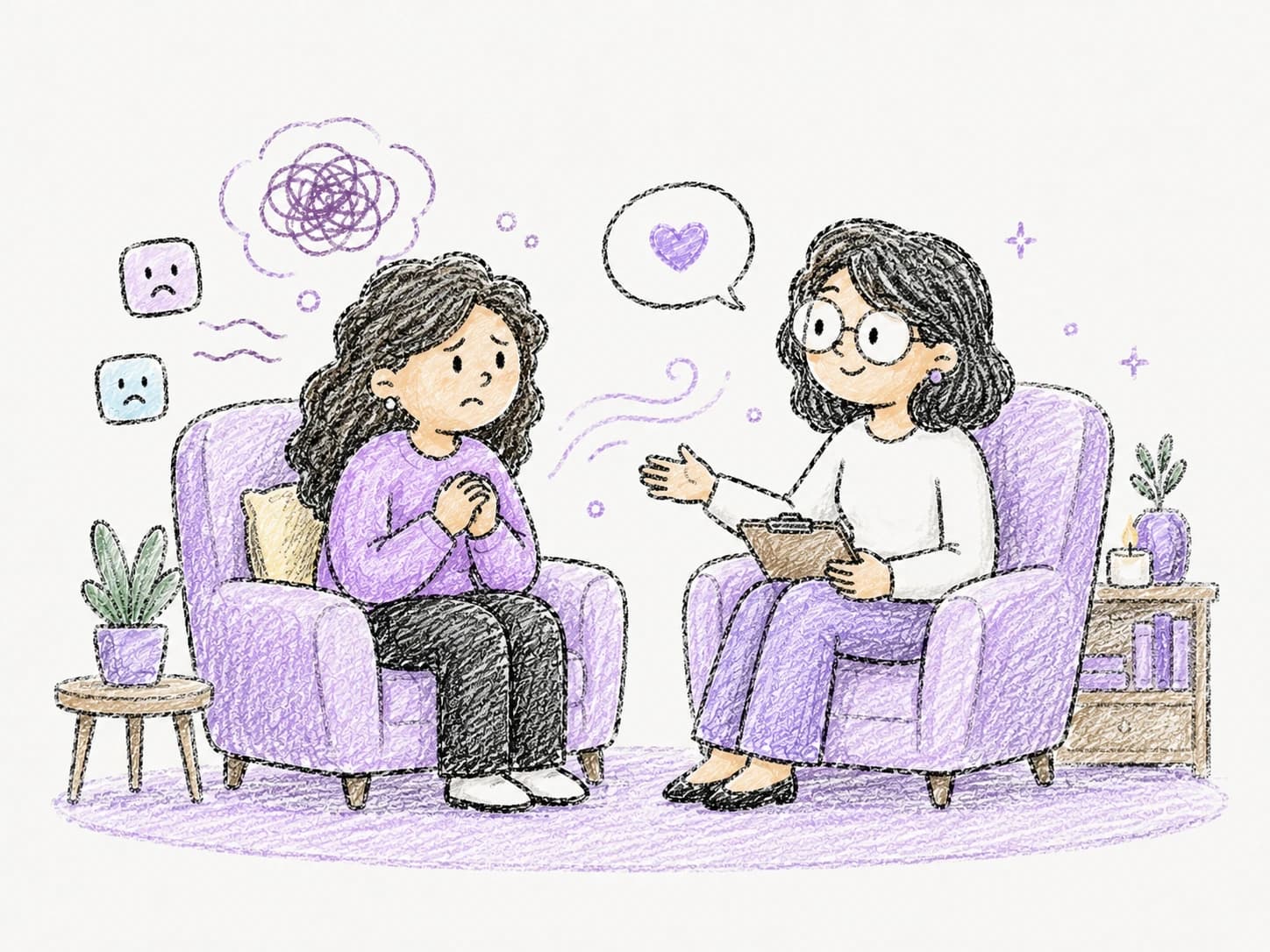
Trauma therapy is a category of specialized clinical approaches designed to help people process overwhelming experiences that continue to affect how they feel, function, and connect with others. It differs from general therapy in its sequenced structure, focus on nervous system regulation, and use of evidence-based protocols.
What to look for in a Trauma Therapy therapist on Purple Lotus
- Formal training in a recognized trauma protocol such as EMDR, CPT, or trauma-focused CBT
- Clear emphasis on safety and stabilization before any trauma processing begins
- Experience with your specific type of trauma, including complex or developmental trauma if relevant
- Openness to adjusting the pace and approach based on what your nervous system can manage
17 therapists for Trauma Therapy in Canada
Browse 17 therapists specializing in Trauma Therapy. Find the right counsellor or psychotherapist for your needs.

Fred Chou
I am a Registered Psychologist who works from a collaborative and person-centred approach. My therapeutic philosophy is centred on the belief that the client is the author of their life journey. From this perspective, the counsellor is a fellow sojourner whose role is to explore experiences and situations that may contribute to one feeling stuck. Often this may involve working with emotions, understanding intra/interpersonal dynamics, and exploring negative events in a manner that can be conducive to growth and learning. My approach to therapy builds on Emotion Focused Therapy (EFT) by integrating narrative and systemic models of counselling. Clinically, I have worked with youth, families, and adults in a variety of settings including the University of British Columbia Counselling Services, the Ministry of Children and Family Development, Complex Trauma Resources, the Veterans Transition Network, and through private practice. Some circumstances and challenges I have worked with include: depression, anxiety, trauma, racial identity and racism, Obsessive Compulsive Disorder, relationship issues, life transitions, and grief and loss. I have developed several mental health interventions and programs, including the Core Connectors Initiative, a mental health literacy program for youth, and the (Re)Claim and Connect counselling group for addressing anti-Asian racism. I have also served on several committees on equity and diversity and provided training on cultural considerations in clinical contexts. If you are looking for counselling, please feel free connect. My website and contact information can be found on this page.

Chris Ho
If you find yourself navigating through the complexities of life, know that seeking counselling is a courageous and empowering choice. People seek counselling for a myriad of reasons, each journey as unique as the individual taking the first step. You might be facing the pressure of anxiety, the shadows of depression, or the echoes of past traumas. Life's challenges can be multifaceted, stemming from personal relationships, work-related stress, existential questioning, or unforeseen transitions. As a couple, you may be experiencing the severance of disconnection, rupture of infidelity, or the growing pains of change. I combine a tapestry of approaches to support you on your transformative journey. Mindfulness techniques provide a grounding anchor to the present, while Adlerian therapy delves into understanding the influence of your past on your current self. For couples therapy, I incorporate the Gottman method and Emotionally Focused Therapy to rebuild your foundations. Culturally sensitive and trauma-informed, my practice is a safe haven for individuals of all backgrounds and identities. No matter what brings you to therapy, we can cultivate resilience, uncover your inner wisdom, and empower you to live authentically and aligned with your values. With warmth, I am looking forward to connecting with you.

Nicole Neufeld
Hi, I'm Nicole (she/they). You might wonder what therapy can offer you, and that is a fair question. I used to ask the same thing and I remember my first therapy session as a client, I was so nervous I got in a car accident on my way to the appointment. Being vulnerable and sharing a piece of yourself can be so intimidating. It makes sense to feel nervous. Reaching out for support is challenging, and can also be empowering, I commend you for considering it. I am committed to providing as safe a space as is possible to those who would choose to trust me with their story. Part of that includes an understanding of how systemic power and inequity impacts us all. I navigate the world as a white, settler woman. I also have lived experience with chronic illness, and a late-in-life ADHD diagnosis. These, among other pieces of my identity, impact my lived experiences of the world as your identity impacts yours. Because of this, I use an intersectional, systemic approach in my work, leaning on Feminist Theory and utilize AEDP (Accelerated Experiential Dynamic Psychotherapy) and Narrative techniques. I believe you have resources and answers within yourself, and I am honoured to support you as you discover and grow in your own strength. I take a collaborative approach, meaning you get to play an active role in deciding how our time together is spent. Ultimately, I am committed to your healing and will use all of the tools at my disposal to support you on your journey. My hope for you is that you flourish in your life, and are able to feel all of the joy and delight that comes from that.

Hayley Barlow
Do you have anxiety, depression or low self esteem issues that are interfering with your ability to live a life that feels authentic to you? Have you gone through a traumatic event that is leaving deep imprints on both your mind and body? Are you experiencing thoughts or behaviors that leave you feeling disconnected from yourself or your relationships with others? If any of the above resonates with you, please know that you have the ability to reclaim your power, rewrite the narrative of your life, and live a life that feels inherently meaningful. It is so hard to be human sometimes, I get it. Fortunately, you don't have to go through any of these challenges alone. My name is Hayley and I am a counsellor who works with both teens and young adults experiencing a wide range of issues. I offer a warm, validating and nonjudgmental environment that helps individuals explore their thoughts, feelings and behaviors that are creating imbalance or emotional uncertainty in their lives. I am a firm believer that there is nothing to be "fixed", because there is nothing inherently wrong with you. You have simply been responding to what has happened to you in life. And you have the capacity to not only heal, but rediscover the relationship you have with yourself and others. I am simply here to walk alongside you as you embark on your journey towards healing and transformation. During our sessions, I take a holistic approach that incorporates various evidence-based therapeutic modalities that ultimately focus on the mind-body connection. I often use principles and interventions from both CBT and somatic therapy to help individuals overcome their challenges, realign with the lost parts of themselves, and learn to cope with difficult thoughts or emotions. If you are ready to begin your journey towards healing and are interested in setting up a complimentary 15 minute consultation, please feel free to contact me. I would love to help you get there.

Mila Loskutova
Hi! My name is Mila Loskutova and I'm a registered clinical counsellor. I am a queer, immigrant settler woman. I am passionate about supporting folks healing from trauma, anxiety, depression, stress, relationship issues and OCD. I use a mix of gentle talk therapy that helps individuals dive deeper into self-exploration and more structured approaches for specific concerns, such as Cognitive Behavioural Therapy (CBT), Dialectical Behavioural Therapy (DBT), Eye Movement Desensitization and Reprocessing (EMDR) and Exposure and Response Prevention (ERP). I am mindful and curious about how our identities and the systems we live in shape the way we move through the world. My approach is humanistic, anti-oppressive and sometimes irreverent. I enjoy helping people create and deepen meaning in their lives. I am available online and in person at my office at 315, 2083 Alma Street, Vancouver.

Paula Ghelman
Do you struggle with anxiety that affects your relationships, work, or school? Do you feel exhausted, unmotivated, and overwhelmed by everything you need to do, and don't feel good enough? Do you wonder if you'll ever feel like you used to? We often put our needs last, justifying this by telling ourselves we have too much to accomplish first. Not addressing your depression, anxiety, or past trauma can lead to isolation, ruin your self-esteem, and make day-to-day life harder than it needs to be. However, there are ways to navigate these personal burdens and make life hopeful again, and you don't have to do it alone. I believe in a trauma-focused, strength-based approach and utilizing evidence-based practice to help you learn how to manage stress, anxiety, depression, and heal from trauma. By creating a safe space where you are not only heard but truly understood, you can start your transformative path towards a more fulfilling life. Providing individual online psychotherapy and an individualized DBT skills program, you will learn how to change negative self-talk, manage emotions, navigate relationships. Getting started is often the hardest part, and therapy help you create a holistic toolkit to enjoy happier, more fulfilling relationships, prioritize yourself, and feel lighter overall. Book a free consultation to take the first step towards a brighter, hopeful future.

Nicole Grant
I work with children, teens and adults seeking support for anxiety, depression, trauma and life changes. I am trained in CBT, DBT and EMDR.

Amber Lum
I’m Amber (she/her); I am an Asian, settler, cisgender woman living and practicing on the unceded territories of the xʷməθkwəy̓əm (Musqueam), Sḵwx̱wú7mesh (Squamish), and səl̓ílwətaɬ (Tsleil-Waututh) Nations. I welcome diverse clients of all cultures, genders, and sexual orientations. I appreciate that we all come with unique stories and histories, and I think it is important to recognize and celebrate how these shape the way that we experience the world. I feel honoured and privileged to walk alongside my resilient clients in their personal healing journeys. I am passionate about EMDR, art therapy, play therapy, and other trauma-informed practices because of their potential to support the transformation and healing of both ourselves and our communities. My role is to hold space for you to come as you are and for your experiences to be met with compassion, curiosity, and tenderness. I believe that we all have the capacity to heal and grow especially in relation to others. Together through our work, we can begin to undo the aloneness that often comes with having negative experiences. I have a deep compassion and respect for the experiences that my clients entrust in me and through a collaborative approach, I hope to honour your lived experiences. Together we will establish a direction in our work that feels supportive of your goals and values. I completed my Bachelor of Arts in Psychology, my Bachelor of Education, and my Masters of Education in Counselling Psychology at UBC. I have additional training in the areas of trauma, attachment theory, emotion-focused therapy, and narrative approaches. In addition to counselling, I have also worked as an elementary school teacher in Vancouver. I have a special appreciation for the unique challenges experienced by children, adolescents, and their families. I believe connection, non-judgement, and trust are vital to building a strong therapy relationship.I think every piece of ourselves is important and together we will work with, rather than against, your experiences and emotions. It is important to me that you feel both safe and empowered throughout this entire process. In my spare time you can find me curled up with my dog Yuki watching musicals and reading fantasy novels.

Natasha Nystrom
Hi, I’m Natasha (she/her) At the heart of my practice is a deep value of connection and a belief in both the wisdom of the body and our innate ability to heal and thrive. I have a masters degree in counselling (MC) and work as a Registered Clinical Counsellor (RCC) in British Columbia. I also have specialized training in trauma. My approach is trauma-informed, person-centered, and draws on Feminist Theory. My therapeutic orientation is Accelerated Experiential Dynamic Psychotherapy (AEDP) and integrates somatic therapy, inner child exploration and internal parts work. I’m drawn to these experiential approaches as they recognize the systemic interconnection of our mind, body, and emotions, as well as our greater society and environment. I believe you are the expert of your life and already hold many answers and innate resources. In collaboration together, I focus on creating a safe, trusting therapeutic relationship that helps you navigate difficulties, re-connect with your internal strengths and resources, while also celebrating your successes and joys along the way. Throughout this process, I take a non-judgmental stance and remain committed to your healing. During a session, I may invite you to notice what is happening for you in the present moment, fostering curiosity about your experience as we work together. Through mindful exploration, we can make space for your feelings, emotions, and sensations to be expressed and released, transform core beliefs that may be keeping you feeling stuck, heal relational wounds, and reconnect with your authentic core self. These processes may enhance your resilience and foster growth and change. Currently, I am offering sessions online using an encrypted video platform called Jane and am able to offer support to those living in British Columbia. If therapy is something you are curious about, please reach out or visit my website for more information! I offer a free 15-minute phone consultation. We can spend a bit of time getting to know each other and discuss what you’re looking for in therapy. I look forward to getting to know you and hearing your story!

Tina Camara
Hi! My name is Tina and I use a holistic approach combined with evidence and strength-based practices in my practice. I hope to empower you to shine forward into the life you want. My training and experience has focused on individuals who have experienced trauma - from childhood trauma to single-incident events. I have also worked a lot with clients with anxiety, depression and ADHD. My approach blends holistic healing with clinical expertise. I integrate proven therapeutic tools to help clients navigate trauma, anxiety, and depression. These evidence-based therapies, such as Cognitive Behavioural Therapy, Mindfulness Based Therapy, Person-Centered Therapy, enable clients to work through past wounds, reframe negative thoughts, and build coping skills that support lasting change. Along with evidence - based practices, I also use mindfulness, meditation and somatic approaches to help clients ground their energy, listen to their bodies and cultivate self-awareness in the present moment. I believe that healing isn’t just about addressing symptoms, it’s about treating the root cause of negative behaviours and lowered sense of self so one can step into a more empowered self. I strive to create a safe and non-judgmental space for you to explore your thoughts, feelings and behaviors to help empower you towards making intentional changes. Come in, let’s take the first step in identifying what it is you would like to see different in your life and we can collaboratively formulate a plan to take you from where you are to where you want to be.

Amy Kobelt
My journey to becoming a counsellor started with my own appointment in a counselling office. I remember feeling nervous about the process, but eventually felt inspired by my own healing journey to support others in the same way that counselling has helped me heal and grow. I am passionate about self-growth and discovery, and I love supporting you to better understand your past, make connections and build skills for a better and stronger future. I work from a trauma informed and attachment model and I strongly believe that part of the healing process that happens in counselling is through the therapeutic relationship. I work collaboratively with you to meet your goals in counselling, and I am truly honoured every time someone chooses to invite me into that journey – I know it is not easy! I welcome working with diverse clients of all ages, cultures, genders, sexual orientations and abilities and I currently work with clients ages 12 and up. I specialize in relational and childhood trauma, eating disorders, relationship concerns and anxiety. I am trained in EMDR, OEI and Lifespan Integration Therapies - all of these therapies are designed to help you process traumatic events or negative self beliefs and bring you healing from your past. Trauma disconnects us from ourselves and our bodies and so part of our work will be to help you become more connected to yourself, your feelings and your body. If you have any questions about this please reach out for a consultation call - I would love to chat with you to see if I'm the right fit for you.

Julie Chang
Julie has Master’s Degrees in Clinical Psychology and Clinical Counselling and is currently finishing her doctorate’s degree in clinical psychology. In addition to professional training and experiences in psychotherapy and treatment, clinical counselling, behavioural intervention, and neuropsychological assessments, Julie also has a background in psychological research at the doctoral level and uses the empirical insights gained from previous studies to supplement her current clinical practice, making her unique as a practitioner of both clinical-scientist and scientist-practitioner models. Julie has worked with BC Society for Male Survivors of Sexual Abuse (BCSMSSA), Family Services of Greater Vancouver (FSGV), Chimo Community Services, and local medical clinics and healthcare centres. She has provided individual and couple/family therapy, treatments, and assessments to individuals for disorders and issues including depressive disorders, anxiety disorders, feeding and eating disorders, trauma- and stressor-related disorders, neurocognitive disorders, affect management, self-regulation, stress management, sexual/physical abuse and violence, crisis intervention and stabilization, couple/marital/parenting conflicts, academic/work stress, identity crisis/exploration, self-introspective needs, loneliness, and relationship difficulties. She identifies as a cisgender female who is open to clients belonging to the LGBTQIA2S+ communities. Julie applies an integrated theoretical framework informed by trauma theory, understanding of behavioral and neuropsychology, and multicultural sensitivity to her eclectic therapeutic approach. As an advocate of positive psychology who understands that mental health is more than the absence of illness, she focuses on building success and helping clients flourish rather than merely reducing distress. Her clinical repertoire includes Cognitive-Behavioral Therapy (CBT), CASE Approach for Risk/Suicide Assessment, Emotionally-Focused Therapy (EFT), Eye Movement Desensitization & Reprocessing (EMDR), Motivational Interviewing, Somatic Experiencing/Body Awareness Therapy, Mindfulness-Based Cognitive Therapy (MBCT), and Clinical Hypnosis. Owning to her mixed ethnic heritage, she is a native speaker of English, Mandarin, and Hokkien, and has conversational-level skills in Japanese and Cantonese.

Yaroslav Grechkin
Maybe you’re tired of overthinking everything, being hard on yourself, or worrying about what others think. Perhaps you find yourself putting everyone else’s needs first while struggling to believe you’re enough just as you are. Or maybe you and your partner keep having the same arguments, leaving you feeling misunderstood or disconnected. Whatever brings you here, you don’t need to have everything figured out before starting therapy. You deserve a space where you can be yourself, feel understood, and explore what’s going on without fear of judgment. We’ll start where you are and work together toward the changes that matter most to you. I work with individuals and youth experiencing shame, low self-worth, self-criticism, anxiety, emotional distress, and relationship challenges. You might find yourself second-guessing decisions, seeking reassurance, fearing rejection, or feeling that no matter how much you do, it’s never quite enough. Together, we can explore where these patterns come from, understand the emotions beneath them, and find new ways to respond to yourself with greater kindness and confidence. I draw on Emotionally Focused Therapy (EFT), Compassion-Focused Therapy, Schema Therapy, and EMDR therapy, tailoring our work to your experiences, needs, and goals. EMDR can help you process distressing memories and experiences that continue to influence how you feel about yourself, respond to situations, and connect with others. Our work may help you make sense of the past, feel less stuck in old patterns, and move toward greater self-trust and emotional well-being. My approach is warm, collaborative, compassionate, and trauma-informed. I believe meaningful change begins when you feel safe enough to be honest about what you’re experiencing. You don’t need to know exactly what to say or where to begin; we’ll figure that out together, at a pace that feels right for you. I believe that many of the patterns we struggle with developed for a reason. Self-criticism, perfectionism, people-pleasing, and emotional withdrawal may have helped you cope with difficult experiences, but they can eventually leave you feeling exhausted or disconnected. Therapy offers an opportunity to understand these responses without blaming yourself and discover new ways of relating to yourself and the people you care about. You don’t have to wait until things become unbearable to ask for support. Maybe you want to stop being so hard on yourself, feel more secure in your relationships, or finally understand why certain experiences continue to affect you. If something here resonates with you, I invite you to reach out to book a consultation. We can talk about what brings you to therapy, what you hope to change, and whether working together feels like the right fit. You don’t have to navigate it all alone.
What is Trauma Therapy?
Trauma therapy refers to a set of structured, evidence-based approaches developed specifically for people whose past experiences continue to disrupt their daily life, relationships, or sense of self. Unlike general talk therapy, which may address a wide range of concerns, trauma therapy is built around how traumatic memory works and why it differs from ordinary memory. Traumatic experiences are often stored differently in the brain, contributing to symptoms like flashbacks, emotional reactivity, physical tension, and avoidance, even when the person understands at a logical level that they are now safe.
Most trauma therapy follows a phased structure. The first phase focuses on building safety and stability. Before any direct engagement with traumatic material begins, the therapist helps you develop emotional regulation skills, grounding techniques, and a stable therapeutic relationship. Only once this foundation is in place does processing begin. This sequence is not arbitrary: attempting to process trauma without adequate stabilization can increase distress rather than reduce it.
Several evidence-based approaches fall under the umbrella of trauma therapy. Eye Movement Desensitization and Reprocessing (EMDR) uses bilateral stimulation to help the brain reprocess stored memories. Cognitive Processing Therapy (CPT) identifies and challenges beliefs formed as a result of trauma. Prolonged Exposure (PE) gradually reduces avoidance through structured engagement with triggers. Somatic-based approaches work with trauma held in the body through sensation, movement, and regulation. A qualified trauma therapist will discuss which approach suits your situation and what to expect.
Who this approach may help
PTSD symptoms following a traumatic event
People experiencing intrusive memories, nightmares, hypervigilance, emotional numbing, or avoidance following a specific incident such as an accident, assault, natural disaster, or medical emergency.
Complex or developmental trauma
People whose trauma developed over time rather than from a single event, including those who experienced childhood abuse or neglect, emotional unavailability from caregivers, or prolonged exposure to unsafe or unpredictable environments.
Relational or attachment-related trauma
People whose distress is rooted in early caregiving relationships, experiences of abandonment, betrayal, or repeated emotional harm that now shows up as difficulty trusting, fear of rejection, or instability in close relationships.
Trauma with physical symptoms
People experiencing chronic tension, pain, fatigue, or physical reactivity that appears connected to past trauma or stress, particularly when medical explanations have not fully accounted for these symptoms.
First responders and people with occupational trauma
People in roles with repeated exposure to distressing events, including emergency workers, healthcare professionals, and military personnel, who have accumulated trauma over time.
Trauma affecting functioning and relationships
People whose past experiences are interfering with their ability to maintain relationships, work consistently, regulate emotions, or feel safe in their body, even without a formal PTSD diagnosis.
What happens in a session?
- 1
Assessment and collaborative goal-setting
The therapist gathers a detailed picture of your current symptoms, history, and what you are hoping to address. Together, you identify what the work should focus on and what success would look like at different stages.
- 2
Building safety and stabilization
Early sessions develop your capacity to manage distress outside of appointments. This includes grounding techniques, breathing tools, and strategies for regulating intense emotional or physical responses.
- 3
Mapping how trauma affects you now
You explore the connections between past experiences and current patterns, including triggers, avoidance, physical responses, and beliefs about yourself and others, without needing to recount everything in detail.
- 4
Structured trauma processing
Using an approach suited to your situation, such as EMDR, CPT, or exposure-based work, you gradually engage with the stored material at a pace calibrated to what you can manage safely.
- 5
Integration and moving forward
As the distress attached to past experiences decreases, sessions shift toward reconnecting with your life, relationships, and identity, and building confidence in your capacity to manage going forward.
How it compares to other approaches
EMDR (Eye Movement Desensitization and Reprocessing)
EMDR is a specific protocol used within trauma therapy. It uses bilateral stimulation to help the brain reprocess traumatic memories that remain stored in an activated state. Trauma therapy is the broader category, and EMDR is one of several evidence-based methods it includes.
Cognitive Processing Therapy (CPT)
CPT is a structured short-term protocol focused on changing beliefs formed as a result of trauma, such as self-blame or a persistent sense of danger. It is a core evidence-based component within trauma therapy and is particularly well-supported for PTSD.
Somatic Therapy
Somatic therapy works with the physical dimension of trauma through body sensation, movement, and nervous system regulation. Many trauma therapists integrate somatic techniques, but somatic therapy as a dedicated approach places greater emphasis on body-level work than verbal processing.
General Counselling or Talk Therapy
General therapy can provide meaningful support and help people process difficult experiences. However, trauma-specific approaches are structured around how traumatic memory works and the need to sequence stabilization before processing. For people with significant trauma symptoms, specialized approaches tend to be more effective.
Cognitive Behavioral Therapy (CBT)
CBT addresses unhelpful thought patterns and avoidance behaviors and is effective for a range of concerns. Trauma-focused CBT (TF-CBT) is a specific adaptation that incorporates trauma processing. Standard CBT without this adaptation may not address the memory-level disruptions central to trauma-related conditions.
Grief Therapy
Grief therapy helps people process loss, and traumatic loss can involve both grief and trauma. When trauma and grief overlap, such as after a sudden or violent death, a trauma-informed approach is often needed alongside grief support to address both the traumatic and loss dimensions.
How to choose a Trauma Therapy therapist
Questions to ask before booking:
- 1
Ask directly about their training in trauma-specific approaches. Look for therapists who have completed formal certification or training in protocols like EMDR, CPT, or trauma-focused CBT rather than those who describe themselves as trauma-informed without specialized training.
- 2
Ask how they structure early therapy. A trauma-trained therapist should explain clearly how they build stabilization before processing begins, and should not move quickly into detailed trauma recall without first establishing that foundation.
- 3
Ask about their experience with the type of trauma relevant to your situation. Therapists who specialize in complex or developmental trauma, single-incident trauma, or occupational trauma may have different training backgrounds and areas of expertise.
- 4
Ask how they handle sessions when distress becomes too high. The ability to pace and regulate the work is a marker of skilled trauma therapy, and you should have a clear sense of how your therapist will respond if sessions become activating.
- 5
Ask about their approach to the physical dimension of trauma. Many people hold trauma in their bodies, and understanding whether a therapist integrates body-aware techniques can be an important factor in fit.
- 6
Ask what a typical course of treatment looks like, including approximate length and the markers they use to assess whether the approach is working.
When this may not be the right fit
Trauma processing is not recommended during periods of acute crisis or instability, such as active suicidal thoughts, severe dissociation, or unmanaged substance use. Most trauma protocols require a foundation of safety and regulation to be effective, and a therapist may recommend stabilization support first.
If you have very recently experienced a traumatic event, not everyone who goes through a distressing experience develops lasting trauma symptoms. In the early weeks, supportive care and monitoring may be more appropriate than formal trauma processing, which is generally introduced once acute responses have settled.
If physical symptoms have not been fully assessed medically, trauma therapy works best as a complement to ongoing medical care rather than a replacement for diagnosis. A good therapist will support you in continuing appropriate medical follow-up.
If you find that discussing or approaching traumatic material feels consistently inaccessible or destabilizing, starting with a stabilization-focused approach or somatic therapy may be a better fit before moving into structured processing work.
Related specialties
Frequently asked questions
What is trauma therapy and how does it work?
Trauma therapy refers to specialized approaches designed to help people process experiences that continue to affect how they feel and function. Most follow a phased structure: building safety first, then gradually processing traumatic memories or patterns, then integrating what has changed. Common approaches include EMDR, Cognitive Processing Therapy, and somatic-based methods.
How is trauma therapy different from regular therapy?
Trauma therapy is structured around how traumatic memory works and the need to sequence stabilization before processing. General therapy may address a wide range of concerns, but trauma-specific approaches use evidence-based protocols developed for trauma responses, including EMDR and CPT, which regular counselling does not typically include.
Do I need a PTSD diagnosis to benefit from trauma therapy?
No. Many people benefit from trauma therapy without meeting full criteria for a PTSD diagnosis. If past experiences are affecting your mood, relationships, physical health, or daily functioning, trauma-informed support may be relevant regardless of whether a formal diagnosis has been made.
How long does trauma therapy take?
Length depends on the nature and complexity of the trauma. Single-incident trauma may respond within a shorter course of treatment, sometimes a few months. Complex or developmental trauma often requires longer work, measured in stages. A trauma therapist can give a clearer estimate after an initial assessment.
Do I have to talk about everything that happened in trauma therapy?
Not necessarily. Many trauma approaches do not require a detailed verbal account of what occurred. EMDR and somatic approaches, for example, can work with limited narrative. Skilled trauma therapists understand the risks of moving too quickly and will build safety before approaching difficult material.
Can trauma therapy be done online?
Yes. Research supports the effectiveness of online trauma therapy, including EMDR and CPT delivered via video. Many people find working from a familiar environment helpful, and most trauma-specific approaches can be adapted to virtual formats. Check each therapist profile for available session types.
What is the most effective approach within trauma therapy?
EMDR, Cognitive Processing Therapy, and Prolonged Exposure have the strongest research support for PTSD. Somatic therapies are widely used for trauma held in the body. The most effective approach depends on your history, preferences, and what you are ready to engage with. A qualified therapist can help you choose.
Looking for a Trauma Therapy therapist?
Browse therapists in Canada who specialize in trauma therapy. Filter by location, fee, and session format to find the right fit.